


Protect Your Houston Property Before Winter Storms
Tree pruning in Houston can help you spot and address weak limbs before late-year storms put extra stress on your trees. A branch that seems harmless on a calm day can become a real problem when strong winds, heavy rain, and soaked soil move through the area.
Houston weather can change fast, especially after a long, hot, humid summer and an active storm season. Wind can twist overextended limbs, rain can add weight to thick canopies, and saturated ground can make an already leaning tree less stable. We recommend planning a tree assessment in early October, before holiday calendars fill up and storm-related emergency calls increase.
A timely inspection gives us a chance to look beyond the obvious. Small cracks, old storm damage, and hidden decay may be easier to address before they turn into fallen limbs, roof damage, blocked driveways, or hazards near walkways and utility areas.
Identify Branches Most Likely to Fail
Not every branch needs to be removed, but certain warning signs deserve prompt attention. We often find that damage from summer heat and earlier storms does not fully show itself until another weather event places added pressure on the tree.
During a professional assessment, we look for branches that are dead, broken, poorly attached, or growing in ways that make failure more likely. Areas around the trunk and roots matter just as much as the canopy. A tree may look full and green while still having structural concerns below the surface.
Common trouble signs include:
- Dead, cracked, hanging, rubbing, or split limbs
- Branches with a heavy lean or long reach over a roof, driveway, or fence
- Cavities, fungal growth, peeling bark, or visible decay around the trunk
- Weak branch unions, especially where two large stems meet closely
- Limbs above vehicles, walkways, patios, or utility lines
Branches that cross or rub together can slowly wear away bark and create weak points. Likewise, a limb extending far from the trunk may carry more weight than the attachment point can safely support during wind and rain. When we see these conditions, selective pruning may reduce the risk without removing more of the tree than necessary.
Plan Tree Pruning in Houston for Cooler Months
Fall is a practical time to evaluate tree structure in Houston. Some deciduous trees begin to lose leaves, making it easier for us to see crossing branches, deadwood, poor limb angles, and uneven canopy growth. Evergreen trees still need attention, too, particularly if their dense foliage catches wind or hides damaged limbs.
The best pruning schedule depends on the tree species, its health, its location, and any existing storm, pest, or disease concerns. There is no one-size-fits-all date for every tree. A healthy shade tree may need light structural pruning, while a damaged or declining tree may need a closer safety review.
Waiting until a high-wind event is already in the forecast can limit your options. Qualified crews are often busy responding to urgent hazards after storms arrive. By planning ahead, you can make informed choices about pruning, removal, or other tree care needs without the pressure of an immediate emergency.
For commercial properties, early planning can also help keep entrances, parking areas, sidewalks, and common spaces clear. For homeowners, it can mean fewer surprises around roofs, gates, fences, and outdoor gathering spaces during the holiday season.
Use Pruning Methods That Preserve Tree Strength
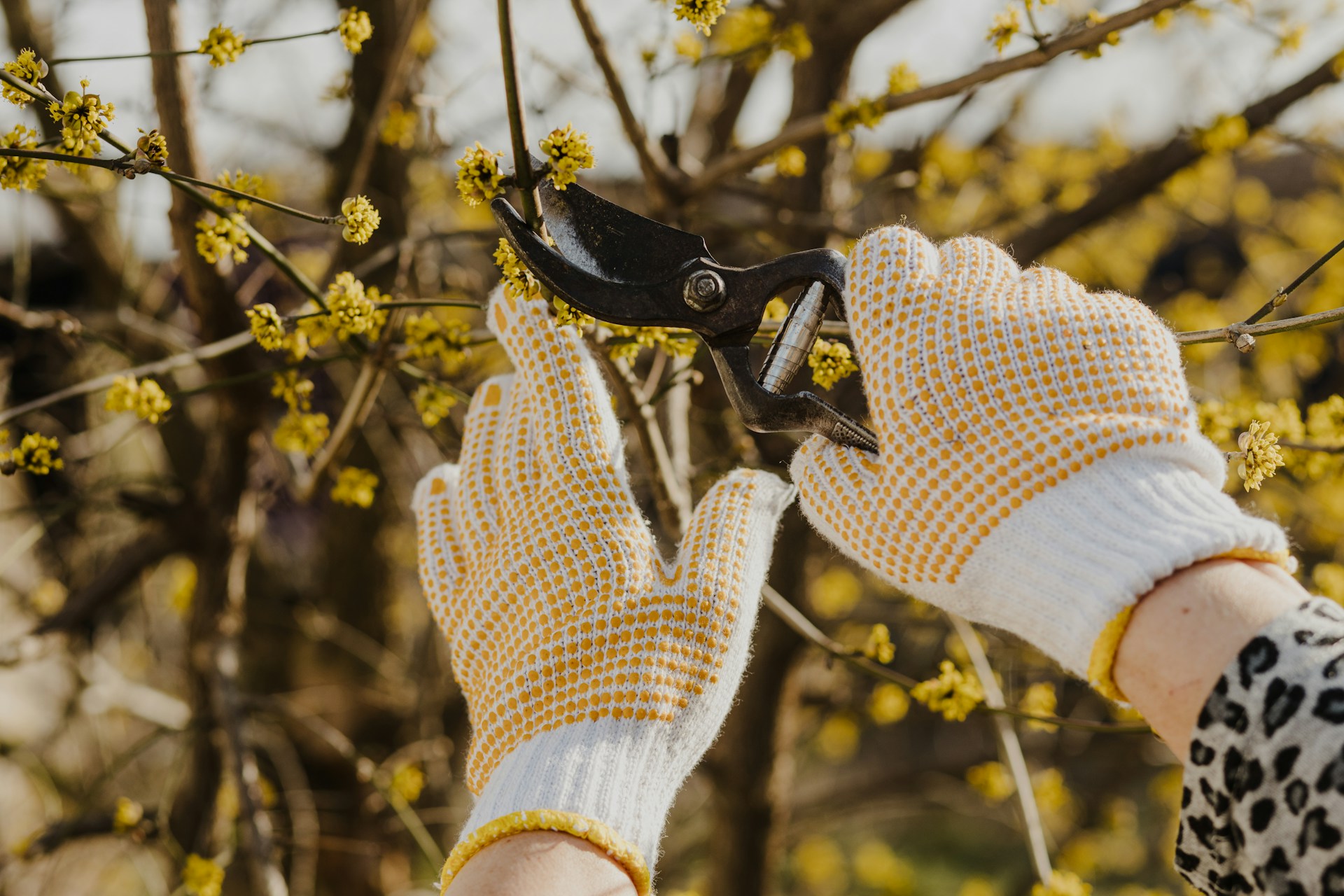
Good pruning is not simply about making a tree smaller. Our goal is to remove problem limbs while keeping the tree’s natural structure as strong and balanced as possible. Thoughtful pruning can improve clearance around buildings and other property features without leaving a tree weak or bare.
Selective pruning may include:
- Removing deadwood and damaged branches
- Reducing long, overextended limbs that carry too much weight
- Improving canopy balance when one side is much heavier than the other
- Creating clearance from roofs, structures, driveways, and walkways
- Addressing branches that interfere with utility areas
Poor cutting methods can create bigger problems later. Topping, which removes large sections from the upper canopy, can leave major wounds and lead to weak, fast regrowth. Excessive thinning may also expose a tree to more stress while reducing the support provided by a balanced canopy. Taking too much live growth at once can make recovery harder.
Proper cuts should be made with respect for the branch collar, the slightly raised area where a branch joins the trunk or a larger limb. This helps preserve the tree’s natural growth pattern. Large limbs, mature trees, and branches high above the ground are not jobs to rush. We recommend insured professional care when the work involves height, weight, decay, or nearby property.
Know When Professional or Emergency Help Is Needed
Some pruning concerns are clearly beyond routine maintenance. If a limb is close to power lines, hanging over your home, or too large to control safely, professional help is the right choice. The same is true when a tree has obvious decay, root problems, a severe lean, or damage around the main trunk.
In tight spaces, a damaged tree may not have a safe direction to fall. Crane-assisted removal can be useful when a large tree is close to homes, fences, landscaping, or commercial buildings and cannot be safely brought down in one piece. We can assess the tree’s condition and determine whether careful pruning, controlled removal, or another approach makes the most sense.
Emergency tree service is appropriate when a storm causes a tree or limb to block access, damage a structure, create an immediate safety concern, or become dangerously unstable. In those situations, keeping people away from the area is the safest first step while trained crews assess the hazard.
Schedule a Prewinter Tree Assessment
A prewinter tree assessment gives you a clearer view of what needs attention before a minor branch issue becomes property damage. We can determine whether selective pruning is appropriate or whether concerns such as a damaged stump, declining tree, or storm debris call for a different service.
The practical takeaway is simple: look up after summer and storm season, pay attention to changes in your trees, and address visible warning signs before the next round of wet, windy weather. Planning early gives you more time to protect the parts of your property that matter most.
Protect Your Trees Before Winter Weather Arrives
Tree Removal Houston can assess branch structure, clearance needs, and signs of stress that may affect your property during winter storms. Schedule professional tree pruning in Houston to help reduce unnecessary risk and keep your landscape better maintained. For a tailored recommendation, contact us to discuss your trees and timing.

 (832) 596-5133
 Click To Email Us
 Houston, TX