


Storm damage cleanup in Houston starts with making the property safe, not with grabbing tools and moving branches. High winds, heavy rain, lightning, and soaked soil can turn a normal yard into a risky place in a hurry. During September, hurricane season and tropical weather can bring repeat storms, so a tree that looks steady today may not stay that way tomorrow.
At Tree Removal Houston, we see how storm damage can block driveways, threaten roofs, and leave limbs hanging where people walk or park. A careful cleanup plan helps restore access while reducing the chance of more damage to your home, business, vehicles, or surrounding landscaping.
Regain Safety and Control After Houston Storms
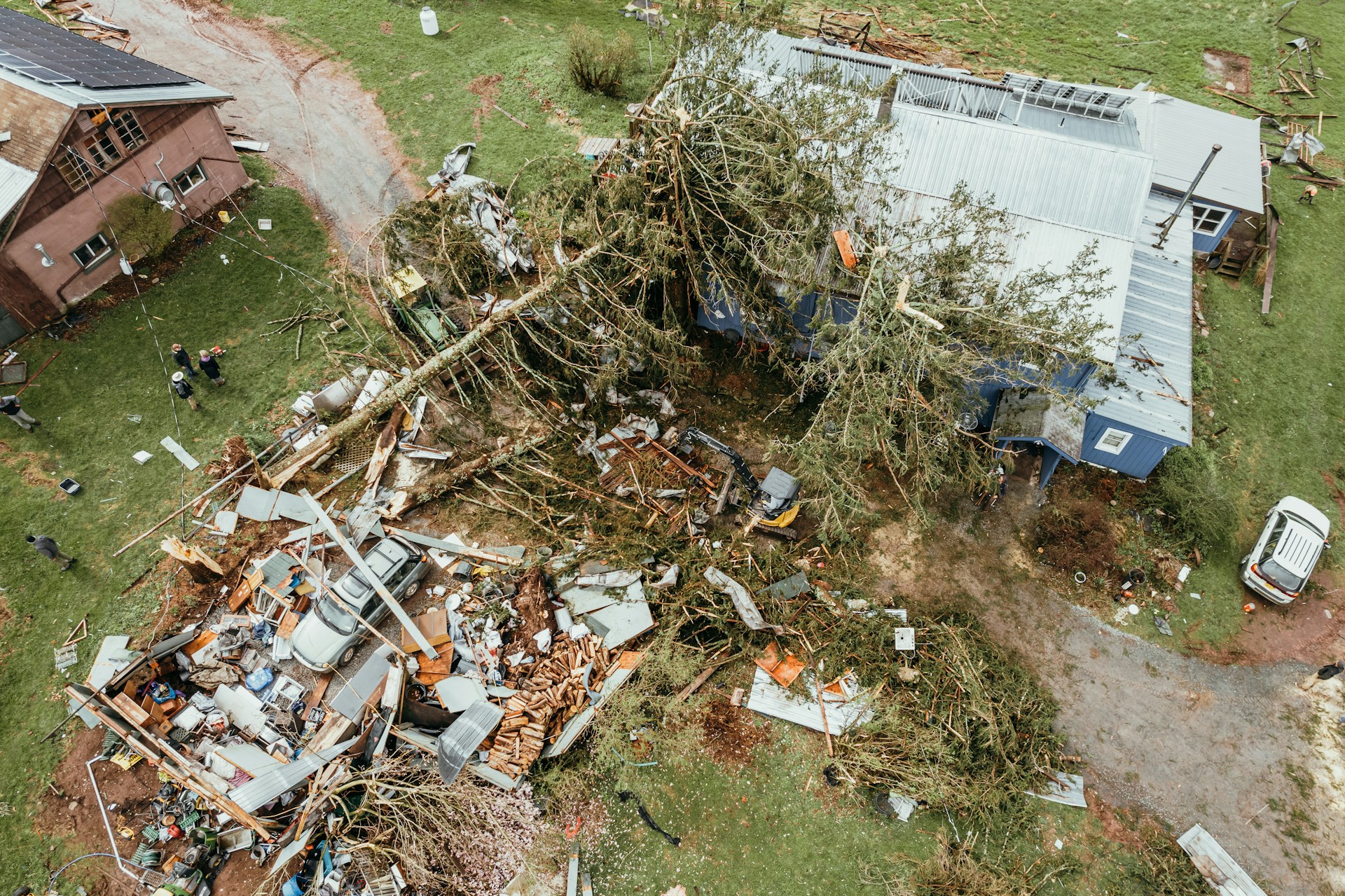
Before anyone begins clearing a yard, we recommend keeping people and pets away from the damaged area. Downed power lines, cracked trunks, uprooted trees, and hanging branches can all shift without warning. Saturated ground may also weaken roots beneath trees that still appear upright.
Storm damage can be especially deceptive after the rain stops. A branch may be split but still held in place by other limbs, or a leaning tree may be supported by damaged roots that can give way later.
Keep your distance from hazards such as:
- Downed or low-hanging utility lines
- Trees leaning toward a home, garage, fence, or driveway
- Large limbs caught above a roof, patio, or walkway
- Split trunks and exposed root systems
- Debris blocking entrances, sidewalks, or vehicle access
We can assess damaged trees, fallen limbs, landscaping concerns, and site access before major cleanup begins. From there, a safe response may include debris removal, emergency tree removal, crane-assisted work, stump grinding, and follow-up trimming recommendations.
Safety Assessment Comes Before Any Cleanup
A professional storm damage cleanup in Houston begins with looking at the full property, not just the tree that fell. We inspect nearby trees for cracked trunks, broken branch connections, leaning growth, root damage, and limbs that may be headed toward structures. Damage that is easy to miss can become a delayed hazard days or weeks after the storm.
Trees do not always fail immediately. Heavy rainfall can loosen soil around a tree’s roots, while wind can weaken major branches without bringing them down. That is why we look beyond visible piles of brush and consider the trees near homes, garages, patios, parking areas, fences, and neighboring properties.
Utility risks need special attention. We treat downed or low-hanging lines as energized and recommend that no tree work begin near them until the proper utility company and qualified professionals are involved. Ladders, chainsaws, and ropes can put you in harm’s way around a storm-damaged tree.
After the inspection, we determine the safest approach. Smaller, accessible debris may be cleared by hand. A tree over a roof, a large trunk near a building, or a difficult access point may require controlled removal methods or crane assistance.
Crews Remove Trees, Limbs, and Debris Safely
Once the work plan is in place, our crew clears the site in an order that protects people and property. We often begin with accessible branches and debris that block driveways, sidewalks, lawns, roofs, and walkways. Restoring safe access matters, especially when repair crews, insurance adjusters, or family members need to move around the property.
Careful removal also helps avoid causing fresh damage. We work around fences, irrigation systems, outdoor equipment, landscape beds, and parked vehicles while clearing storm debris.
When a damaged tree cannot safely be left standing, we may remove it in sections. Rather than allowing a large tree to fall freely, controlled cuts, ropes, and rigging can bring down manageable pieces. This approach is helpful when trees are close to homes, pools, commercial buildings, power lines, or neighboring yards.
Some storm situations call for more specialized equipment. Crane-assisted tree removal may be needed for a large uprooted tree, a tree resting on a structure, or a tree in a location where standard removal would create too much risk. Lifting sections away can help protect the area below while the crew handles a complicated removal.
Cleanup Includes Stumps, Hauling, and Property Access
The job is not always finished once the main trunk is gone. Logs, brush, wood sections, and damaged plants can leave a property hard to use and difficult for other repair teams to access. We haul away tree debris so you are not left dealing with heavy materials after an already stressful storm.
A cleared site gives roofers, fence contractors, repair crews, and insurance adjusters a safer path to damaged areas. It also removes trip hazards from driveways, sidewalks, and outdoor living spaces.
Stump grinding can be a useful next step after emergency tree removal. A remaining stump may interfere with mowing, limit future planting plans, attract insects, or create a tripping concern. Grinding it below ground level leaves a cleaner area for grass, plants, or other outdoor improvements.
Storm cleanup may also uncover other landscaping needs, including broken shrubs, blocked drainage areas, and trees that need trimming. Addressing those issues helps move the property from emergency response toward a more complete recovery.
Plan Repairs and Reduce Future Storm Risks
After the urgent work is complete, we recommend taking another look at the trees around your property. September storms can be followed by more severe weather later in the fall, so weak limbs and overgrown canopies should not be ignored.
Strategic tree trimming can remove deadwood, address overextended branches, and reduce limbs growing over roofs, driveways, and walkways. A thoughtful trimming plan can also help identify trees that need closer monitoring.
Watch for warning signs that may appear after a storm:
- A trunk that begins leaning or changes position
- Exposed roots or raised soil near the tree base
- Cracked bark or deep splits in the trunk
- Mushrooms near the base of a tree
- Sudden leaf loss or thinning in one area of the canopy
It also helps to document the damage as soon as conditions are safe. Clear photos of fallen trees, blocked access points, structural damage, and damaged landscaping can support an insurance claim. We can provide clear information about the tree work performed and any recommended next steps.
Get Professional Help Before Conditions Worsen
Storm-damaged trees deserve prompt attention when they threaten a structure, vehicle, walkway, or entry point. Large limbs and unstable trunks can become more dangerous with additional rain, wind, or shifting soil. A fully insured tree care team can assess the hazard and choose the right method, whether that involves trimming, removal, stump grinding, or crane-assisted work.
For properties in Houston, Katy, Fulshear, and Richmond, keeping people away from damaged trees while a professional assessment is arranged is the safest practical step. Quick action after a storm can help prevent injuries, protect access to the property, and limit additional damage while repairs move forward.
Restore Safe Access With Professional Cleanup
Tree Removal Houston provides careful, efficient service for fallen limbs, damaged trees, and storm-related debris. Get help with storm damage cleanup in Houston tailored to your property's conditions and access needs. For an assessment or service request, contact us to discuss the next steps.

 (832) 596-5133
 Click To Email Us
 Houston, TX